Dental
-
How Your Daily Posture Quietly Influences the Likelihood of Dental Emergencies
The Hidden Connection Between How You Sit and Your Dental Health
Most people never consider that the way they hold their body throughout the day could have profound implications for their teeth and jaw. Yet the relationship between posture and oral health represents one of the most overlooked aspects of preventative dental care. Poor postural habits, particularly the forward head position so common in our digital age, create a cascade of biomechanical changes that can ultimately lead to unexpected visits to an emergency dentist Richmond.
The human body functions as an interconnected system, where alterations in one area inevitably affect others. When someone adopts a slouched position with their head jutting forward, the lower jaw compensates by shifting backwards. This seemingly minor adjustment places extraordinary stress on the temporomandibular joint (TMJ), the hinge connecting the jawbone to the skull. Over time, this chronic strain manifests in ways that can compromise dental integrity and increase the risk of acute oral health crises.
Understanding the Biomechanics of Postural Strain
The average human head weighs approximately five kilograms, but for every inch it moves forward from its neutral position, the effective weight on the cervical spine increases dramatically. This additional burden affects not only the neck and shoulders but also the delicate structures of the jaw. Research has shown that forward head posture significantly impacts temporomandibular joint function, creating an environment where dental complications become increasingly probable.
The Domino Effect on Jaw Alignment
When postural imbalances persist, the muscles surrounding the jaw work overtime to maintain function. The masseter muscles, responsible for chewing, become chronically tight and overactive. This constant tension leads to teeth clenching and grinding, conditions known collectively as bruxism. Many individuals remain completely unaware they’re grinding their teeth, particularly during sleep, until they experience chipped enamel, fractured teeth, or unexplained dental pain that requires immediate attention.
Muscular Tension and Its Dental Consequences
The muscles of mastication don’t operate in isolation. Poor posture triggers compensatory patterns throughout the entire cranial region, affecting how the upper and lower teeth come together. This altered bite pattern, or malocclusion, distributes chewing forces unevenly across the dental arch. Certain teeth bear disproportionate pressure, making them vulnerable to cracks, fractures, and premature wear. These structural weaknesses often remain asymptomatic until a seemingly innocuous action—biting into something firm or experiencing a sudden impact—causes catastrophic failure of the tooth structure.
Recognising the Warning Signs Before Crisis Strikes
Fortunately, the body provides numerous signals before postural habits culminate in dental emergencies. Frequent headaches, particularly upon waking, often indicate nocturnal bruxism. Clicking or popping sounds when opening the mouth suggest TMJ dysfunction. Unexplained tooth sensitivity, especially when no cavities are present, may result from enamel erosion caused by grinding. Understanding how posture directly contributes to TMJ disorders empowers individuals to take preventative action before minor issues escalate.
Practical Strategies for Postural Improvement
Addressing postural habits requires conscious effort and consistency. Simple adjustments can yield remarkable benefits:
- Ensure computer screens sit at eye level to prevent forward head drift
- Take regular breaks from desk work to reset spinal alignment
- Strengthen the muscles between the shoulder blades to support upright posture
- Practice chin tucks to counteract forward head position
- Consider ergonomic furniture that promotes neutral spine positioning
Those experiencing persistent jaw discomfort should explore effective treatment approaches that address both postural and TMJ components of their condition. Integrated care often produces superior outcomes compared to treating symptoms in isolation.
Protecting Your Smile Through Postural Awareness
The relationship between daily posture and dental health demonstrates how interconnected bodily systems truly are. By maintaining proper alignment throughout the day, individuals can significantly reduce their risk of TMJ disorders, bruxism, and the dental emergencies these conditions precipitate. Whilst seeking an emergency dentist Richmond may sometimes prove unavoidable, many urgent situations stem from preventable postural habits. Investing attention in how one holds their body represents a simple yet powerful strategy for preserving dental health and avoiding unexpected oral health crises that disrupt daily life.
-
Why Dental SEO Must Address Patient Anxiety Before Search Rankings
The Hidden Connection Between Fear and Online Visibility
When dental practices invest in their online presence, the conversation typically centres around keywords, backlinks, and local search optimisation. However, the most successful dental SEO strategies recognise something far more fundamental: the emotional state of potential patients before they even click the search button. Patient anxiety isn’t merely a clinical concern to address during appointments; it’s the invisible force shaping every online interaction, from the initial search query to the ultimate decision to book an appointment.
The reality is that dental anxiety affects a substantial portion of the population, with studies indicating that between 50-80% of adults experience some level of dental fear. This pervasive apprehension fundamentally alters how people search for dental services online. Rather than simply typing ‘dentist near me’, anxious patients are crafting queries that reveal their concerns: ‘gentle dentist’, ‘pain-free dental treatment’, or ‘sedation dentistry options’. These search patterns create an entirely different landscape that practices must navigate.
Understanding the Anxious Patient’s Digital Journey
The path from dental discomfort to booking an appointment is rarely straightforward for anxious individuals. Their online behaviour differs markedly from confident patients who might book based solely on convenience or price. Anxious patients conduct extensive research, reading reviews with particular attention to comments about staff demeanour, pain management, and the overall atmosphere of the practice. They seek reassurance at every touchpoint, making their digital journey considerably longer and more complex.
Search Patterns That Reveal Deeper Needs
Research into patient behaviour and dental anxiety patterns demonstrates that fearful patients use distinctly different language when searching online. They prioritise emotional safety over technical expertise, seeking words like ‘understanding’, ‘patient’ and ‘comfortable’ alongside clinical terms. This linguistic distinction means that practices focusing exclusively on technical keywords may entirely miss their target audience, regardless of how well they rank for generic dental terms.
Content That Speaks to Emotional Needs
Effective digital marketing for dental practices must acknowledge that anxious patients aren’t simply looking for services; they’re searching for empathy and understanding. Website content that addresses fears directly, explains procedures in reassuring terms, and showcases a calming environment will resonate far more powerfully than pages filled with technical jargon and clinical achievements. This approach doesn’t diminish professional credibility; rather, it demonstrates an awareness of patient needs that builds trust before the first appointment.
The Business Case for Anxiety-Focused Digital Strategy
Addressing patient anxiety through online channels isn’t merely a compassionate practice; it’s a sound business strategy. When patient experience shapes modern dental practice management, the digital realm becomes the first opportunity to demonstrate that commitment. Practices that successfully communicate their understanding of dental anxiety often see higher conversion rates from website visitors to booked appointments, as they’ve already begun building the therapeutic relationship online.
Furthermore, anxious patients who find a practice that addresses their concerns tend to become remarkably loyal. They’re less likely to shop around based on price and more inclined to recommend the practice to others with similar fears. This creates a valuable patient base that generates consistent revenue and positive word-of-mouth marketing, all stemming from an initial digital strategy that prioritised emotional connection over search rankings alone.
Integrating Empathy Into Technical Optimisation
The most sophisticated approach to SEO recognises that technical excellence and emotional intelligence aren’t mutually exclusive. Practices can optimise for both algorithm requirements and human needs simultaneously. This means crafting meta descriptions that acknowledge patient concerns, creating FAQ sections that address common fears, and ensuring that every piece of content serves dual purposes: satisfying search engine criteria whilst genuinely helping anxious individuals feel understood.
Video content, testimonials from previously anxious patients, and detailed explanations of comfort measures all serve both SEO objectives and anxiety reduction. These elements generate engagement metrics that search engines reward whilst simultaneously building the trust that converts visitors into patients.
Building Long-Term Success Through Understanding
Ultimately, dental practices that succeed online are those that recognise their digital presence as an extension of patient care rather than merely a marketing tool. When anxiety is addressed thoughtfully throughout the online experience, search rankings become a natural consequence of genuinely valuable content rather than the primary objective. This patient-centred approach to digital strategy creates sustainable growth built on authentic connection and trust.
-
How Dental Implants Influence Your Digestive Health and Nutritional Wellbeing
The Hidden Connection Between Your Teeth and Your Tummy
When most people consider dental implants Navan, they typically focus on the aesthetic benefits or the convenience of a permanent tooth replacement solution. However, the relationship between oral health and digestive wellness runs far deeper than many realise. The ability to chew food properly represents the crucial first step in the digestive process, and when this function becomes compromised due to missing teeth, the entire gastrointestinal system can suffer the consequences.
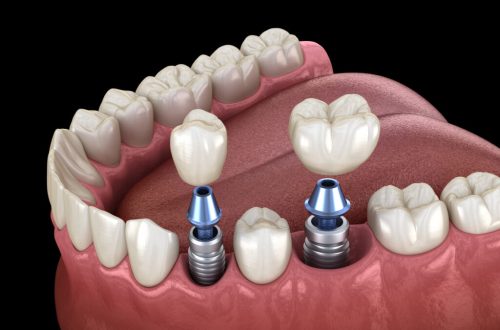
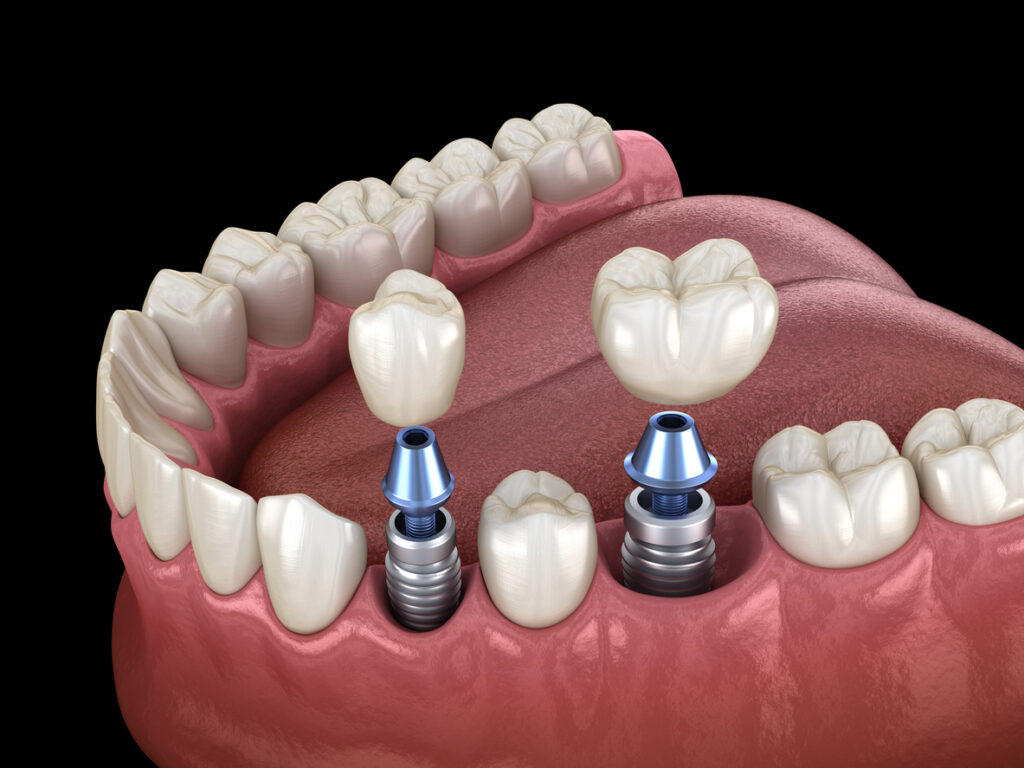
Dental implants offer a remarkable solution that extends well beyond simply filling gaps in one’s smile. These sophisticated tooth replacements restore the mechanical function of natural teeth, enabling patients to break down food efficiently and thoroughly. This seemingly simple restoration of chewing capacity can trigger a cascade of positive effects throughout the digestive tract, ultimately influencing overall health and nutritional status in profound ways.
The Fundamental Role of Proper Mastication
Digestion begins in the mouth, where teeth serve as the body’s primary food processing equipment. When teeth are missing or ill-fitting dentures make chewing uncomfortable, individuals often resort to swallowing larger pieces of food. This places considerable strain on the stomach and intestines, which must work harder to break down inadequately chewed material. The mechanical breakdown of food during chewing not only reduces particle size but also increases the surface area available for digestive enzymes to act upon.
Furthermore, the act of chewing stimulates saliva production, which contains essential enzymes such as amylase that initiate the breakdown of carbohydrates. Without proper mastication, this critical first stage of digestion becomes compromised. Research has demonstrated the significant impact that tooth replacement can have on nutritional absorption, highlighting the importance of restoring full chewing function.
How Dental Implants Restore Digestive Efficiency
Superior Stability and Chewing Force
Unlike traditional dentures, which can slip and reduce bite force by up to 75 percent, dental implants offer stability comparable to natural teeth. This enhanced stability allows patients to apply appropriate pressure when chewing, ensuring food is properly broken down before swallowing. The titanium posts that anchor implants into the jawbone create a foundation that withstands the forces of normal chewing without movement or discomfort.
Expanded Dietary Options and Nutritional Variety
One of the most significant advantages of dental implants lies in the dietary freedom they provide. Individuals with missing teeth or unstable dentures often find themselves avoiding nutritious foods that require substantial chewing effort. Crisp vegetables, fresh fruits, nuts, seeds, and lean meats frequently become off-limits, leading to a reliance on softer, often less nutritious alternatives. This dietary restriction can result in deficiencies in essential vitamins, minerals, and protein.
With dental implants firmly in place, patients can confidently consume a diverse range of foods, ensuring their bodies receive the full spectrum of nutrients necessary for optimal health. The restoration of normal eating patterns through implant treatment enables individuals to enjoy crunchy vegetables rich in fibre, which supports digestive health and promotes beneficial gut bacteria.
The Broader Impact on Nutritional Wellbeing
The ability to maintain a varied and nutritious diet has far-reaching implications for overall health. Adequate protein intake, which often requires the ability to chew meat and legumes effectively, supports muscle maintenance, immune function, and tissue repair. Similarly, consuming raw vegetables and fruits provides essential antioxidants, vitamins, and phytonutrients that cooked or processed alternatives may lack.
Moreover, improving digestive health through proper dental function can enhance energy levels, support weight management, and reduce gastrointestinal discomfort. When food is thoroughly chewed, the stomach and intestines can process it more efficiently, reducing issues such as bloating, indigestion, and nutrient malabsorption.
Long-Term Health Benefits and Quality of Life
The investment in dental implants represents more than cosmetic enhancement; it constitutes a commitment to long-term digestive health and nutritional wellbeing. Patients who undergo implant treatment frequently report improved digestion, increased dietary satisfaction, and enhanced overall quality of life. The psychological benefits of eating confidently in social situations further contribute to wellbeing, reducing stress that can itself negatively impact digestion.
Embracing Comprehensive Oral Health for Total Wellness
The connection between dental implants and digestive health illustrates the intricate relationship between oral function and overall wellbeing. By restoring proper chewing capability, dental implants enable patients to optimise their nutritional intake, support efficient digestion, and enjoy the pleasures of varied cuisine. This holistic approach to dental care recognises that healthy teeth contribute to a healthy body, making implants a worthwhile consideration for anyone seeking to enhance both their smile and their systemic health.
-
Conservative Root Canal Methods Preserve Tooth Strength Without Compromising Structural Integrity
Conservative root canal methods focus on maintaining the natural structure of every tooth. Precision and careful calibration ensure that strength is never sacrificed for efficiency. Each conservative technique reflects thoughtful engineering to protect natural structure. Subtle refinements help maintain alignment and reduce unnecessary material removal. The integrity of every treated tooth stays consistent—just check out Colina Dental’s root canal procedures page here.
Precision-Focused Dental Restoration Approach
Modern conservative approaches aim to retain as much of the natural framework as possible. Each movement during treatment is deliberate, minimizing unnecessary shaping or drilling. This refined precision allows the tooth to remain strong and stable for years ahead.
Gentle Procedures Ensuring Core Stability
The central focus lies in balancing efficiency with gentleness. By reducing extensive reshaping, internal layers stay more intact and resilient. This gentle yet precise process enhances both durability and balance across the treated area.
Can Precision Really Improve Patient Comfort?
That question often comes up during discussions about conservative approaches. Comfort plays a major part in how patients perceive successful outcomes. Patients often mention how the experience feels smoother and more predictable. You can check out Colina Dental’s root canal procedures page here to see how these techniques maintain comfort without losing strength. It’s about reassurance through consistency—every detail supports relaxation, precision, and overall structural care.

Layered Support Improves Endurance
When multiple structural layers remain untouched, the treated area naturally endures better. Each preserved layer acts as reinforcement, giving the tooth a stronger foundation. The seamless alignment between restoration and support encourages long-term stability without excess intervention.
Core Strength Elements That Enhance Endurance
The success of conservative methods depends on subtle structural dynamics. Each layer’s integrity contributes to the tooth’s ability to remain strong over time.
- Minimal trimming preserves the tooth’s inner density
- Targeted sealing maintains a stable core framework
- Balanced layering reduces internal stress points
- Gentle reinforcement enhances resistance to daily pressure
- Smoother transitions help distribute internal force evenly
- Subtle adhesion techniques improve lasting grip and cohesion
- Reduced surface removal supports overall endurance levels
- Controlled shaping keeps every layer harmoniously aligned
Balancing Protection With Subtle Refinement
Refinement within conservative methods ensures each tooth retains its authentic texture and shape. The approach values precision over intensity, focusing on accuracy rather than volume. Every detail aligns to protect both inner and outer strength during the process.
Consistent Results Reflect Expert Craftsmanship
Every completed procedure tells a story of restraint and expertise working together. The outcomes remain uniform, with reliable endurance and minimal material change. Each case showcases how thoughtful care can maintain natural form without unnecessary disruption.
-
Effective dentistry advertising: Reaching the right audience for your practice
Any dental practice’s expansion depends on advertising, but it’s not only about drawing more patients—it’s about finding the proper audience. Good dental advertising guarantees that your marketing initiatives reach those who require your offerings. Your practice will be unique in a crowded market by focusing on the correct demographics and applying the best techniques. Here’s how you might successfully present your dentistry advertising offerings to the appropriate market.
1. Know Your Target Readership
Knowing your ideal clients can help you start any advertising effort. Are your targets families, elders, or young professionals? Knowing your audience’s demographics can help you to identify the best channels and customize your message. Younger persons might be more active on social media, for instance, whereas elderly people might prefer direct mail or local newspaper advertisements as their means of contact.
2. Use digital marketing wisely
Any dental office in the modern environment needs internet marketing as a basic tool. Having a strong online presence will enable you to reach possible patients who spend a good amount of time online. Making sure your practice shows up highly on search results depends on search engine optimization SEO.

3. Emphasize local advertising
Most dental offices have most of their patients from the nearby area. Reaching the correct audience and increasing your neighborhood presence can be achieved with great success by local advertising. This could be supporting nearby companies, attending health fairs, or helping local activities.
4. Emphasize patient reviews and testaments
In the dentistry advertising field, word-of-mouth and internet reviews are strong confidence-builders. Those who are prospective patients are more likely to choose a practice with great recommendation. Ask your current customers to give good reviews on sites like Google and Yelp; next, think about posting these evaluations on your website and on Twitter.
5. Design Targeted Advertising
Think about conducting specials appealing to your target market to draw in fresh patients. Discounted cleanings, complimentary consultations, or family packages are among the special offerings meant to encourage customers to come see your office. Make sure these specials find their way through the proper channels—local advertising, your website, or social media.
Good advertising is about delivering the proper message to the proper audience. Understanding your target audience, using digital marketing, concentrating on local advertising, presenting patient testimonials, and providing focused promotions will help you greatly increase the visibility of your business and draw the people that require your offerings. In a cutthroat industry, your dental office can flourish and expand under the correct plan.